
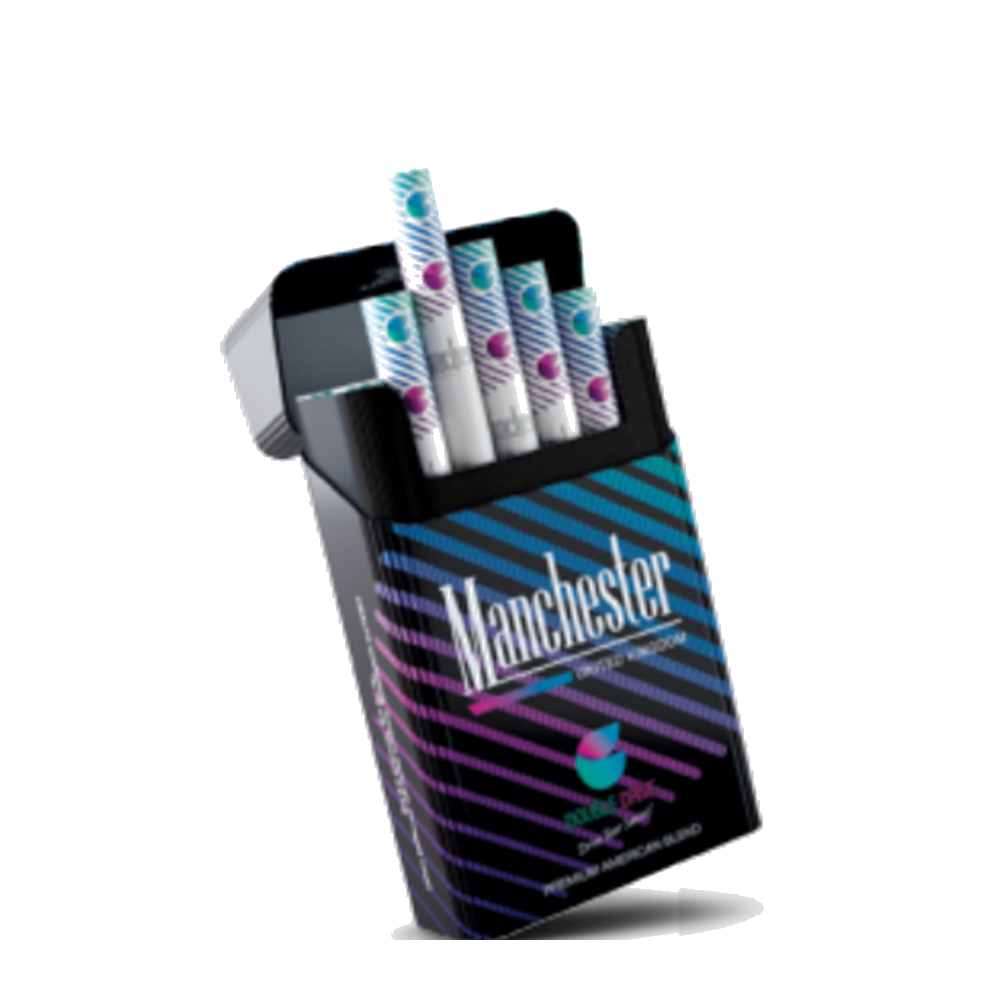
For an Azenlyx order support request, provide the order number, the email address used at checkout and a short description of the specific issue. Add the complete product name or SKU when the question concerns an item. For a delivery enquiry, include the destination postcode; for a damaged or incorrect item, keep the product and packaging and be ready to provide clear photographs. Do not put card details, identity documents or unrelated personal information in a general enquiry. These details give support a defined order or catalogue record to check.
Start by choosing the type of enquiry
A focused message is easier to match to the right record than a broad request containing several unrelated questions. Before opening the Azenlyx contact form, decide whether the main issue concerns an existing order, a product record, delivery, or an item received. Use the most relevant checklist below and keep the message limited to facts you can verify.
Existing order enquiry
Include the order number and the email address used at checkout. State what you need checked in one or two sentences. For example, identify whether the question concerns the confirmed item, the delivery information attached to the order, or an update already shown in the order communication. Do not guess at a cause or promise a preferred outcome on behalf of the store.
Product identity enquiry
Copy the complete product name from the live catalogue and include its SKU. Similar names can refer to separate catalogue records, so a shortened brand or variant name may not be enough. Add the canonical product URL if it helps identify the page being reviewed. Price and stock can change; if either is relevant, state the date and time when it was observed rather than presenting a saved value as permanent.
Delivery enquiry
Provide the order number and destination postcode. The current Shipping Policy says processing and delivery estimates are guidance rather than guarantees, and that carrier conditions, address checks, public holidays, remote destinations and events outside reasonable control can affect timing. Describe the visible tracking state or delivery problem without publishing a full address in a public channel.
Damaged, incomplete or incorrect order
Include the order number, complete product name or SKU and a concise description of what arrived. Keep the item and its packaging until support gives the next step. Clear photographs may be requested when damage or an incorrect item is involved. Review the current Returns and Refunds page before sending anything back; it says not to return a product without instructions and the correct return destination.
Use a compact evidence checklist
A useful request separates identifiers from the issue itself. This reduces ambiguity while avoiding unnecessary personal information.
- Order reference: the order number, when an order already exists.
- Contact match: the email address used at checkout.
- Product reference: the complete product name and SKU when relevant.
- Delivery reference: the destination postcode for a delivery question.
- Issue summary: what was expected, what was observed and when.
- Supporting material: clear photographs only where damage or an incorrect item needs to be shown.
Keep the wording factual. A short chronology can help: order placed, confirmation received, tracking status observed, then the specific problem noticed. Dates are more useful than phrases such as “a while ago”. The checklist does not guarantee an outcome; it gives support enough information to identify the relevant record and assess the request under the current site policies.
Leave sensitive and unrelated information out
Do not include payment card details, identity documents or unrelated sensitive information in a general support message. The Privacy Policy explains that the site may receive contact, delivery and order information, product or SKU references, and the contents of support enquiries. Provide only what is reasonably connected to the question.
Do not post personal delivery details in a blog comment or other public channel. Use the site contact form for an order-specific enquiry. If age or identity verification is required in an ordering process, follow the instructions presented through that process rather than attaching documents to an unrelated general message.
Check the live policy before requesting a remedy
Different issues require different assessment. A damaged, faulty, incomplete or incorrectly supplied order is not the same as a change-of-mind request. The returns page says change-of-mind returns may be restricted for regulated or sealed goods and must be assessed before anything is sent back. It also states that remedies for faulty, unsafe, damaged or incorrectly supplied goods are handled consistently with rights that cannot be excluded under the Australian Consumer Law.
Do not assume that submitting an order or a support request guarantees acceptance or a particular remedy. The current Terms and Conditions explain that an order may be declined or cancelled when age, location, availability, pricing, security or legal requirements cannot be satisfied. Read the policy that applies to the issue, then describe the facts and wait for the applicable instructions.
Final review before sending
- Confirm that the order number and checkout email are accurate.
- Match any product name with the SKU shown on the live catalogue page.
- State one main issue and include dates or visible tracking information where relevant.
- Add the postcode for a delivery question, but do not publish a full address publicly.
- Keep damaged or incorrect goods and their packaging until instructions arrive.
- Remove card details, identity documents and unrelated personal information.
- Read the current shipping, returns or ordering terms that apply.
A complete but restrained request is the goal: enough verified information to locate the order or product record, without unsupported assumptions or unnecessary sensitive data.