
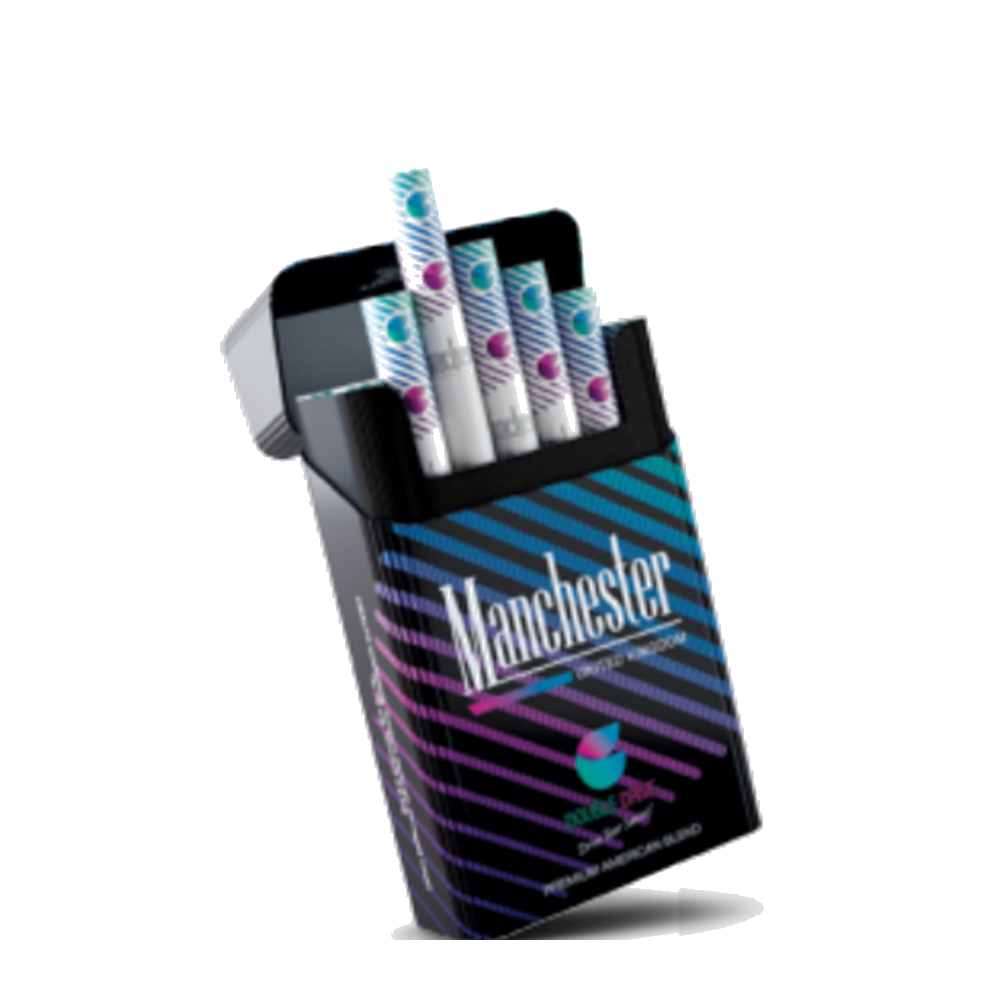
Brand, variant, edition and numeric words on Azenlyx should be read as parts of a complete catalogue identity. They are not shortcuts to health, safety, quality, origin, sensory experience or suitability. The reliable method is to copy the full live title, match the SKU and confirm the sale unit before noting a changing price or stock indicator. This guide explains that naming grammar across records for adults aged 18 or older; it does not rank products or recommend tobacco use.
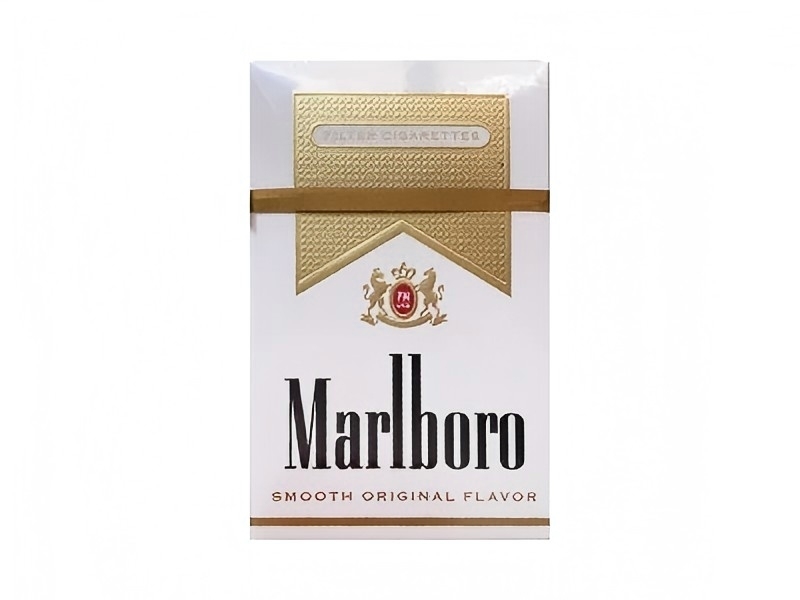
Read a title as ordered identity fields
A product title is more precise when it is divided into fields without rearranging them. A useful reading order is brand, variant or range wording, edition or numeric wording, and sale unit. The SKU then acts as a separate record key. The Marlboro (Hard White) US Edition record, for example, uses SKU SS-313 and is listed as one carton containing 10 packs. “Hard White” and “US Edition” belong to the title exactly as shown.
That does not authorise extra conclusions. “US Edition” is a catalogue phrase in this record; it does not by itself establish manufacturing origin, legal treatment, availability in another country or an eligible delivery destination. Azenlyx separately limits delivery to eligible Australian addresses. Keep naming evidence within the narrow role the live record supports.
What each kind of word can establish
| Field | What it can establish | What it cannot establish by itself |
|---|---|---|
| Brand | The brand label assigned to the record | That every item under the brand is interchangeable |
| Variant or range wording | The exact text distinguishing a listed entry | Taste, effect, quality or personal fit |
| Colour word | A word present in the catalogue title | Relative strength, safety or packaging identity without the full record |
| Number or “mg” wording | A numeric descriptor recorded in the title | A health conclusion or consumption recommendation |
| Edition or geographic word | An edition phrase in the displayed name | Origin, destination eligibility, tax or legal status |
| SKU | A compact key for the exact store record | A description of product effects |
Numbers remain catalogue identifiers
Consider the live ESSE Change Mint Ice Blast 4mg record. Azenlyx assigns it SKU SS-288 and lists one carton containing 10 packs. The “4mg” text is part of the exact product name supplied by the catalogue. In this guide it is used only to distinguish that record from other ESSE entries. It should not be converted into a claim about reduced harm, expected experience or suitability.
The same restraint applies to colour and flavour-like words. They can help match a typed title to a live URL, but a name does not prove what a customer will perceive. Do not write new specifications from the label, infer an ingredient list, or treat a familiar word as evidence that two records are substitutes.
Use the catalogue hub for discovery, then the record for proof
The Azenlyx brand catalogue is a discovery route. It helps an adult reader locate a brand grouping and open candidate records. The individual product page is the evidence source for the exact title, SKU, stated unit, attached image and current store conditions. A category or brand match narrows the search; it does not finish the identification.
When several entries share a brand, compare every token in the names. Mark what is common, then mark what changes. If two entries share a carton quantity, that confirms only a common unit. If their titles or SKUs differ, preserve them as separate records. Never collapse the records into one shorthand label for a cart or support enquiry.
Separate stable identity from changing conditions
The Azenlyx Terms and Conditions describe product names, SKUs, images, prices and stock indicators as information used to identify live catalogue records, while noting that availability and displayed information may change. For a reusable note, place the complete title, SKU, canonical URL and sale unit in an identity section. Place price, stock and the date checked in a current-conditions section.
This separation prevents an old price from becoming a supposed specification and prevents stock status from becoming part of a product name. It also clarifies what to recheck. Stable identity should still be verified against the current page, while dynamic observations must always be refreshed at the time they matter.
A neutral matching method
- Open the candidate product page from the current Azenlyx catalogue.
- Copy the complete title without deleting parenthetical, edition, colour or numeric wording.
- Record the SKU and the stated one-carton, 10-pack unit.
- Use the site-owned image only as supporting orientation, not as a replacement for text fields.
- Date any copied price or stock observation.
- Stop when a title, SKU or unit conflicts; do not fill the gap from memory or another retailer.
A search-engine result, image filename or third-party description is not the Azenlyx source of truth. Return to the live canonical record. If the written title and visible media appear inconsistent, preserve the discrepancy and ask a focused question rather than deciding which one “must” be right.
Language to avoid in a brand note
A factual brand guide should not use naming words to promise authenticity, superiority, value, delivery, legality or product effects. It should not call one entry healthier, safer, smoother, stronger, better or more suitable. It should also avoid presenting a displayed amount as permanently low. The useful output is narrower: an exact map from title to SKU, sale unit and live URL.
Adult and health notice: Azenlyx catalogue information is intended for adults aged 18 or older. Tobacco contains nicotine, and smoking causes serious health risks. Catalogue names and numbers do not indicate safety. This article is neutral identification guidance, not health advice or a recommendation to smoke.